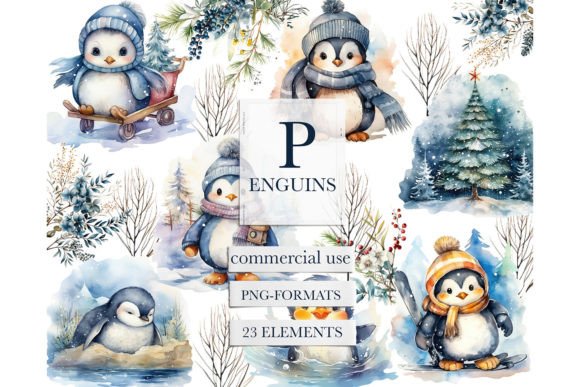
Reviewing Watercolor Christmas Penguin Clipart for Stitching
As an embroidery designer who has spent years translating digital art into thread, I approach every new asset with a mix of curiosity and caution. We often see designs that look stunning on a screen but fail miserably under the needle. Today, I am evaluating Watercolor Christmas Penguin Clipart not just as a piece of digital art, but as a potential candidate for real-world machine embroidery projects. For Etsy sellers, boutique owners, and hobbyists, understanding the gap between a JPEG preview and a stitched reality is crucial for maintaining product quality and customer satisfaction.
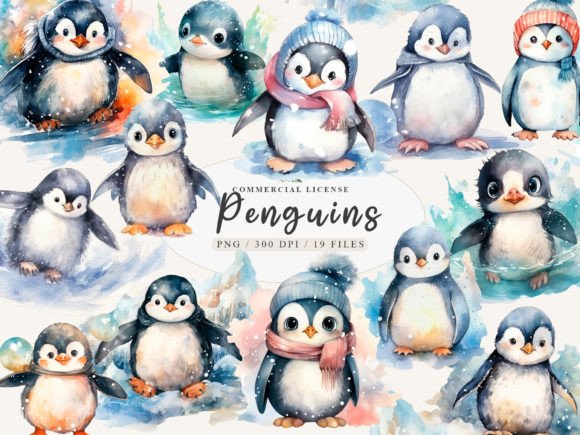
The first impression of this illustration is undeniably charming. The watercolor aesthetic brings a softness that contrasts beautifully with the rigid geometry typical of standard holiday motifs. The penguin, likely adorned with a festive scarf or hat given the Christmas theme, exudes a whimsical personality. However, from a technical standpoint, watercolor styles present unique challenges. The blending of colors and the lack of hard outlines mean that converting this into an embroidery file requires careful consideration of stitch types and density. If you are planning to use this as a reference for digitizing or if it comes as a pre-digitized design, the transition from fluid paint strokes to structured threads is the primary hurdle.
Visual Appeal and Project Suitability
The mood created by Watercolor Christmas Penguin Clipart is gentle and nostalgic. It fits perfectly into the current trend of "soft holidays," moving away from loud, neon brights toward muted, artistic tones. This makes it an excellent choice for high-end handmade products where subtlety is valued over flashiness. I can easily envision this design elevating a simple item into a cherished keepsake.
Consider a custom tote bag design for a local bookstore’s holiday promotion. A canvas tote with this penguin stitched in soft blues, whites, and hints of red would appeal to customers looking for understated elegance. Similarly, for baby embroidery, the soft edges of the watercolor style are ideal. Harsh, dense stitching can be uncomfortable against delicate skin, but a design inspired by this clipart could utilize lighter fill stitches and open spaces to create a breathable, soft texture on onesies or burp cloths.
For sweatshirt embroidery, the design offers a great opportunity to play with texture. The fuzzy nature of fleece or French terry cloth can sometimes obscure fine details. However, the bold shapes inherent in a penguin silhouette allow the design to remain visible even on textured fabrics. The key here is ensuring that the color transitions in the watercolor effect are simplified into distinct thread blocks rather than attempting complex shading that might look muddy when stitched.
Technical Considerations for Embroiderers
When integrating Illustrations like this into your workflow, you must think about stitch density. Watercolor effects often rely on gradients. In embroidery, we simulate gradients through layering threads or using varied stitch angles. If this design is dense, it risks puckering lightweight fabrics. Therefore, pairing this design with the correct stabilizer is non-negotiable. For a custom apparel piece like a t-shirt, a cut-away stabilizer would provide the necessary support to keep the design flat and prevent distortion after washing.
Another critical factor is thread colors. To capture the essence of the watercolor look, you cannot rely on standard primary colors. You will need a palette that includes pastels, heathers, or variegated threads. Testing the design on scrap fabric is essential to see how these colors interact. Sometimes, two shades that look distinct on screen blend together too much in thread, losing the definition of the penguin’s features. I recommend creating a printable mockup or doing a physical stitch-out on both light and dark fabrics to check contrast.
If you are considering this for an embroidered patch, the rules change slightly. Patches require higher density and often a satin stitch border to prevent fraying. The soft edges of the watercolor style might need to be hardened slightly in the digitizing process to ensure the patch holds its shape. A running stitch might be used for internal detailing to keep the weight down, while satin stitch could define the outer contours of the penguin and its accessories.
Navigating Fabric and Hoop Constraints
Not every project is suitable for this type of design. While Watercolor Christmas Penguin Clipart is versatile, it has limitations. Small hoop sizes, such as 4x4 inches, may force you to reduce the design significantly. When scaled down, the subtle details of the watercolor effect can disappear, turning into a blob of thread. Always check the minimum recommended size before committing to a small item like a baby sock or a pocket detail.
Curved surfaces, like caps, present another challenge. The front panel of a cap is small and curved. A wide, horizontal design might distort when stitched. If you plan to use this for headwear, ensure the design is narrow enough to fit within the usable area without wrapping around the sides. Additionally, stretchy fabrics require extra care. The pull of the threads can warp the image, so testing on similar fabric types is a best practice for any professional craft business.
Dark fabrics require special attention to color selection. If the penguin is primarily white or light blue, it will pop beautifully on navy or black. However, if the design includes dark elements, they may get lost. In such cases, consider adding a light-colored backing or adjusting the thread palette to ensure visibility. This attention to detail builds customer trust and enhances the perceived value of your finished product.
Commercial Viability and Branding
For Etsy sellers and small shop owners, uniqueness is currency. Using Watercolor Christmas Penguin Clipart allows you to differentiate your holiday embroidery offerings from the generic, clip-art-heavy designs flooding the market. It signals a higher level of artistic intent. When customers see a design that looks like a painting rather than a computer graphic, they are often willing to pay a premium for the personalized gift aspect.
However, commercial use rights must be verified. Before selling items featuring this design, confirm whether the license covers commercial embroidery or if it is for personal use only. Many digital product sellers offer different tiers of licensing. Ignoring this can lead to legal issues down the line. Additionally, if you are creating design assets for other makers, ensure you are clear about what they can and cannot do with the files.
The visual consistency of your brand also matters. If your shop specializes in rustic, hand-drawn aesthetics, this watercolor style fits seamlessly. If your brand is modern and minimalist, you might need to simplify the design further. Aligning the design with your brand identity helps in building recognition and loyalty among your buyers.
Final Verdict and Practical Tips
In conclusion, Watercolor Christmas Penguin Clipart is a strong contender for festive projects, provided you respect the technical constraints of embroidery. It shines in applications where softness and charm are prioritized, such as baby items, tote bags, and holiday decor. To get the best results:
- Always test stitch on scrap fabric to check density and color interaction.
- Use appropriate stabilizers to prevent puckering, especially on knits.
- Select thread colors carefully to mimic the watercolor gradient effect.
- Verify licensing terms before selling finished goods or digital files.
- Avoid scaling the design too small, which can lose detail and clarity.
By treating this clipart as a starting point for thoughtful execution rather than a plug-and-play solution, you can create stunning, high-quality items that stand out in the crowded holiday market. Whether you are making a single personalized gift or stocking your small shop product line, this design offers the warmth and character that customers love during the festive season.