Review: Cartoon Christmas Gnomes Sublimation Design
As a designer who has spent years translating digital art into thread, I approach every new machine embroidery design with a mix of excitement and skepticism. We have all been there: you download a file that looks crisp on the screen, only to watch it turn into a tangled mess of broken threads and puckered fabric on the hoop. That is why when I first loaded the Cartoon Christmas Gnomes Sublimation file into my software, I did not just look at the colors. I looked at the structure. I wanted to know if this asset could hold up in a real-world embroidery project, specifically for the holiday rush where quality defines your reputation as an Etsy seller or boutique owner.
First Impressions and Visual Personality
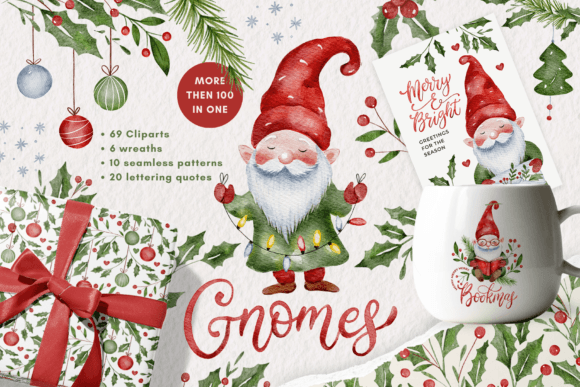
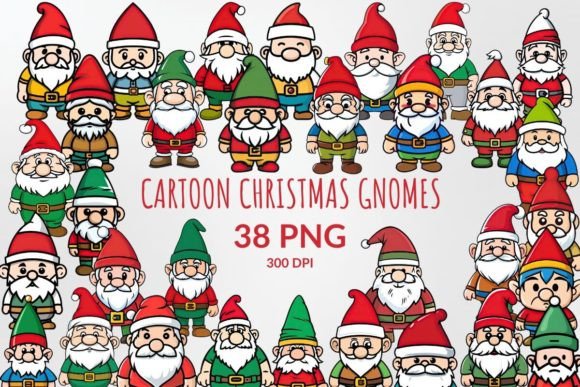
The immediate appeal of this design lies in its whimsical, approachable aesthetic. The gnomes are rendered with a playful simplicity that translates well from Illustrations to stitched media. In the digital preview, the lines are clean, and the color blocking is distinct. For a designer, this is crucial. Complex gradients often fail in embroidery unless you are using high-end photo-stitch techniques, which are time-consuming and expensive. This design, however, relies on solid shapes and clear boundaries, suggesting it was built with stitching in mind, even if it originates as a sublimation graphic.
The mood is undeniably festive but not overly traditional. It feels modern, which is exactly what many customers are looking for in holiday embroidery today. They want charm without the clutter of Victorian-era complexity. This visual personality makes it versatile. It does not scream "cheap souvenir"; instead, it suggests a thoughtful, handmade touch. When evaluating the layout, I noticed the balance between the gnome’s hat, beard, and body. These elements need to maintain their proportion when scaled down, a common pitfall in character-based designs.
Real-World Application: The Tote Bag Test
To truly test the viability of the Cartoon Christmas Gnomes Sublimation design, I imagined a specific use case: a custom canvas tote bag design for a local craft fair. Canvas is a sturdy fabric, but it has a visible weave. If the stitch density is too low, the fabric shows through, ruining the image. If it is too high, the bag becomes stiff and uncomfortable to carry.
In this scenario, the design performs admirably because of its bold outlines. When I simulated the stitching process, the larger fill areas of the gnome’s coat and hat provided excellent coverage. The fill stitch patterns appeared consistent, avoiding the gap issues that plague lower-quality digital embroidery files. For a small shop product, this reliability is key. You do not want to spend twenty minutes hooping a bag only to realize the design lacks the necessary density to look professional. This design seems to strike a balance that allows for efficient production without sacrificing visual impact.
Apparel and Soft Goods Considerations
Moving beyond totes, I considered how this would look on sweatshirt embroidery. Fleece and cotton blends are forgiving, but they are also thick. The design’s lack of excessive tiny details is a benefit here. Intricate facial features often get lost in the pile of a sweatshirt. However, the gnome’s prominent beard and hat brim remain visible, ensuring the character is recognizable even from a distance. This makes it an ideal candidate for custom apparel aimed at families or group gifts.
For baby embroidery projects, such as onesies or burp cloths, caution is required. While the style is cute, you must check the stitch count and density. Babies have sensitive skin, and a dense block of thread can feel scratchy or heavy. If you plan to use this on infant items, I recommend testing it on a scrap piece of similar fabric first. Ensure you use a soft, cut-away stabilizer to support the stitches without adding bulk. The goal is a personalized gift that feels luxurious, not industrial.
Navigating Technical Challenges
No design is perfect for every surface. There are specific scenarios where you should use the Cartoon Christmas Gnomes Sublimation file carefully. First, consider curved surfaces like caps. Embroidering on a curved bill requires precise digitizing to prevent distortion. If the design has wide horizontal spans, it may pull or warp on a cap. I advise checking the width of the design against your standard cap hoop size. If it is too wide, you may need to resize it, which could compromise the clarity of smaller elements.
Another critical factor is fabric texture. On thin or stretchy fabrics, such as jersey knits, the tension of the embroidery can cause puckering. This design likely uses a combination of satin stitch for borders and fill stitches for color blocks. Satin stitches, while beautiful, pull on fabric. If you are working with delicate materials, you must use a high-quality stabilizer and perhaps adjust the tension on your machine. Additionally, avoid using this on dark fabrics if the design relies on light thread colors without proper underlay stitching, as the background color may show through and muddy the final look.
Enhancing Brand Value and Customer Trust
From a business perspective, the quality of your design assets directly impacts your brand consistency. Using a well-structured design like this one helps build customer trust. When a buyer receives a finished product that looks clean, with no loose threads or distorted shapes, they are more likely to leave a positive review and return for future purchases. This is especially true for commercial embroidery clients who expect a certain level of professionalism.
The Cartoon Christmas Gnomes Sublimation design offers a high perceived value. It looks intentional and polished. For an embroidered patch, this design would stand out due to its strong silhouette. Patches are popular for jackets and bags, and a clear, bold design ensures visibility. Furthermore, using this design in your printable mockup listings can help potential customers visualize the final item, increasing conversion rates. A realistic mockup showing the texture of the thread on a cozy sweater can be far more persuasive than a flat digital image.
Practical Notes for the Designer
Before you commit to a large production run, take these practical steps. First, always test the design on scrap fabric that matches your final product. Check the thread colors against your inventory. Sometimes, the digital RGB colors do not translate perfectly to physical thread spools. You may need to swap a specific shade of red or green to better match your brand palette or the fabric background.
Second, verify the licensing terms. Just because a file is labeled for sublimation or illustration does not automatically grant rights for commercial embroidery sales. Confirm whether the creator allows you to sell handmade products featuring this design. If you are creating design assets for others, ensure you have the right to redistribute or modify the file.
Finally, inspect the small details. Zoom in on the digital file to see how the corners and curves are handled. Are there excessive jump stitches? Is the underlay sufficient? These technical details determine whether the design runs smoothly on your machine or requires constant trimming and cleanup. A smooth-running design saves time, and in the craft business, time is money.
In conclusion, the Cartoon Christmas Gnomes Sublimation design is a strong contender for your holiday lineup. It balances charm with technical practicality, making it suitable for a wide range of applications from tote bags to sweatshirts. By understanding its strengths and limitations, you can leverage this asset to create high-quality, profitable items that delight your customers. Remember, the best design is not just the one that looks good on screen, but the one that stitches out beautifully, consistently, and efficiently.