Christmas Skull Design: A Designer’s Review
As an embroidery designer who has spent years digitizing and stitching thousands of motifs, I approach every new machine embroidery design with a mix of curiosity and skepticism. We have all seen the trend of mixing holiday cheer with edgy aesthetics, but execution is everything. When I first loaded the Christmas Skull Design onto my screen, I was looking for more than just a novelty item. I wanted to see if it held up as a viable asset for real-world embroidery projects. This review breaks down how this piece performs from a technical and commercial perspective, specifically for those of us running craft businesses or creating high-end handmade products.
First Impressions and Visual Personality
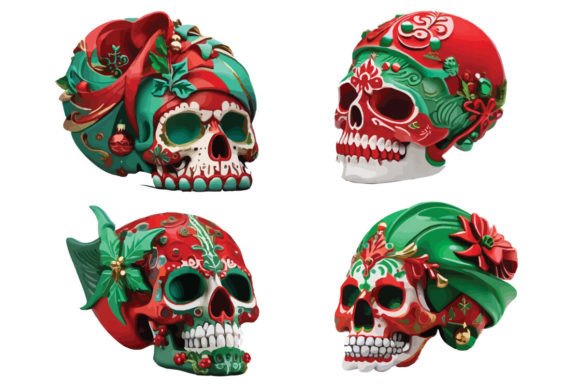
The immediate mood of this Illustrations-style piece is playful yet bold. It strikes a balance between traditional holiday iconography and modern alternative style. For designers, the layout is crucial. The skull element provides a strong central focal point, while the festive accents soften the edge, making it approachable for a wider audience. The visual personality suggests it belongs on items that are meant to be statement pieces rather than subtle background decor. It feels intentional, which is exactly what customers look for in a personalized gift or boutique merchandise.
When evaluating the detail level, I noticed the lines are clean. In embroidery, overly complex illustrations can turn into a muddy mess of thread breaks and bird nests. This design appears to respect the limitations of the needle and thread. The shapes are distinct, allowing the satin stitch and fill stitch areas to breathe. This clarity is essential for maintaining the integrity of the image once it is stitched out on fabric.
Real-World Application: The Sweatshirt Test
To truly judge a design, you have to imagine it on a product. I visualized this Christmas Skull Design on a heavyweight, charcoal-grey crewneck sweatshirt. This is a popular item for Etsy sellers and small shop products during the winter season. The contrast between the bright holiday colors of the design and the dark fabric creates a striking visual pop.
In this scenario, the design sits comfortably on the left chest or as a larger centerpiece on the back. For custom apparel, placement is key. Because the skull has a defined shape, it anchors the garment well. If I were producing this for a client, I would recommend using a cut-away stabilizer to support the weight of the stitches on the knit fabric. This ensures the design does not pucker or distort after washing, maintaining the professional look that builds customer trust.
Versatility Across Product Lines
Beyond apparel, this design shows promise for various design assets. Consider an embroidered patch for a denim jacket or a tote bag. The bold outlines work well for patches because they define the edge clearly against the twill fabric. For a tote bag design, the motif adds a unique twist to standard holiday gifts, appealing to buyers who want something different from the usual snowflakes and reindeer.
However, caution is needed when applying this to smaller items. While it could work on a cap, the curved surface requires careful hooping and potentially a lighter stitch density to prevent stiffness. For baby embroidery, I would hesitate unless the design is significantly scaled down and simplified, as the edgy theme might not align with traditional nursery aesthetics. Always know your target market before committing to production.
Technical Considerations for Stitching
From a technical standpoint, the success of any digital embroidery file depends on how it interacts with the machine. Here are the critical factors I evaluate before hitting "start":
- Stitch Density: Dense areas can cause fabric puckering, especially on thinner materials. I always recommend testing the design on scrap fabric similar to your final product. If the design feels stiff or board-like after stitching, the density may need adjustment in your editing software.
- Thread Colors: The choice of thread colors can make or break this design. High contrast is necessary to separate the skull features from the holiday elements. I suggest using a color chart to preview the design in black and white first. If the details disappear in grayscale, they will likely get lost in the stitching too.
- Hoop Size: Ensure your hoop size accommodates the full design without cropping essential details. For larger versions, a 5x7 or 6x10 hoop might be necessary. Always confirm the maximum stitch area of your specific machine model.
- Fabric Texture: Textured fabrics like towels or fleece can obscure fine details. This design seems robust enough for medium-weight fabrics, but on highly textured surfaces, the finer lines of the running stitch or underlay might get lost. Test on your specific material to ensure clarity.
Commercial Viability and Brand Consistency
For commercial embroidery and digital product sellers, consistency is vital. This Christmas Skull Design fits well within brands that embrace a quirky, modern, or alternative aesthetic. It helps in building brand recognition because it stands out in a saturated market of traditional holiday designs. When used in printable mockups for online listings, it draws the eye and encourages engagement.
However, licensing is a non-negotiable aspect of professional practice. Before selling finished items or including this in a digital bundle, you must confirm the license terms. Some designers allow personal use only, while others permit commercial sales with attribution. Protecting your business means respecting intellectual property rights. Always check the documentation provided with the embroidery file.
Final Verdict for Makers and Designers
The Christmas Skull Design is a compelling addition to a designer’s library, provided it is used with intention. It is not a generic filler; it is a statement piece. For holiday embroidery projects that aim to surprise and delight a niche audience, it performs well. The key to success lies in preparation: proper stabilizing, thoughtful thread selection, and rigorous testing on actual fabric.
If you are an appliqué design enthusiast, note that this appears to be a standard stitch-out rather than appliqué, which means fabric choice and stitch quality are paramount. For those creating wedding gifts or high-end boutique items, ensure the finish is flawless. Trim jump threads carefully and press the finished product appropriately to enhance its visual appeal.
In conclusion, this design offers a fresh take on seasonal motifs. It challenges the norm while remaining technically sound for most home and commercial machines. By understanding its strengths and limitations, you can leverage this Christmas Skull Design to create memorable, high-quality products that resonate with your customers. Whether for a custom apparel line or a unique personalized gift, it delivers the creative spark needed to stand out in today’s handmade marketplace.