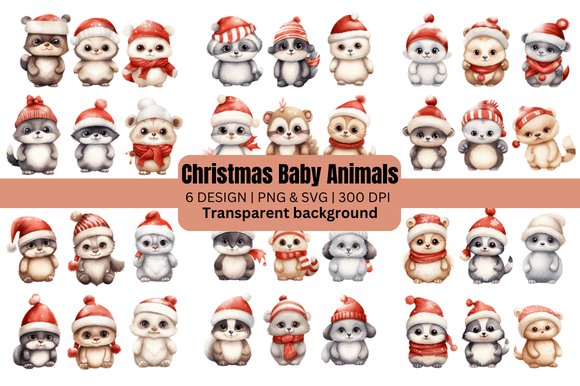
Christmas Baby Animals Clipart & Illustrations
As a graphic designer who has spent over a decade refining brand identities and creating seasonal marketing campaigns, I approach every new asset with a critical eye. We are not just looking for cute images; we are looking for functional design elements that can carry a visual narrative. Recently, I had the opportunity to review Christmas Baby Animals Clipart for a potential client project involving a boutique handmade candle company. The goal was to create a cohesive holiday packaging suite that felt warm, nostalgic, and inviting without sacrificing professional polish. Here is my practical assessment of how this collection performs in real-world design scenarios.
First Impressions: Mood and Visual Language
The immediate impression of this graphic design asset is one of softness and approachability. The style leans heavily into a hand-drawn aesthetic, which is crucial for brands aiming to connect emotionally with their audience. In the context of small business branding, especially for handmade goods, this organic feel builds trust. It suggests care and craftsmanship rather than mass production. The color palette, typically featuring muted greens, soft reds, and creamy whites, creates a vintage holiday vibe that avoids the harshness of neon digital colors. This makes it an excellent choice for editorial design or any project requiring a touch of whimsy.
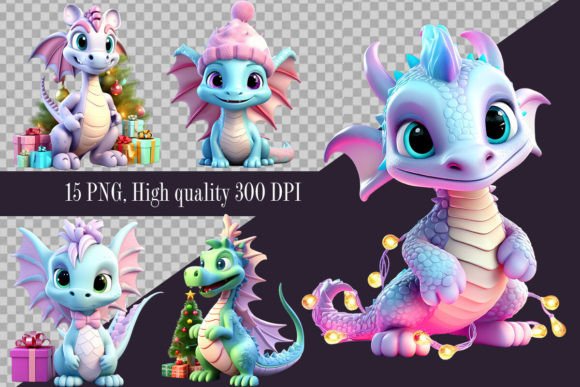
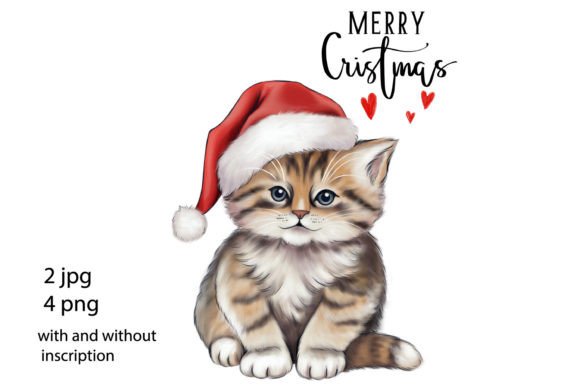
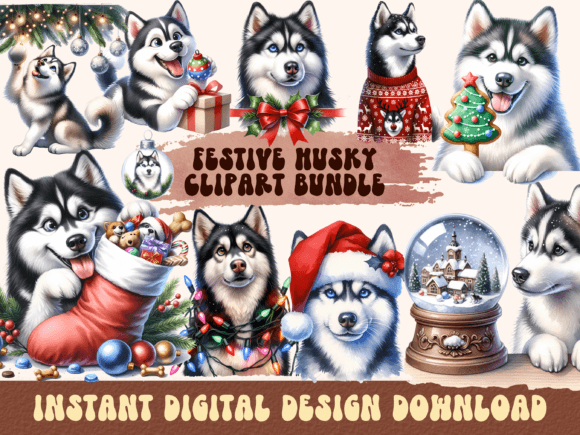
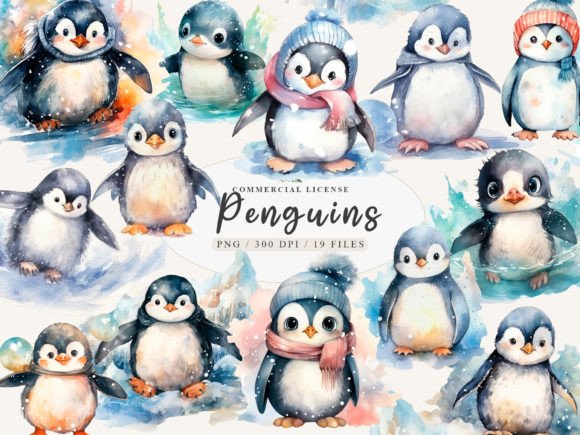
When evaluating Illustrations for client work, I look for consistency in line weight and shading. This collection maintains a uniform style across various animals, from fawns to penguins, ensuring that when you mix and match elements in a design bundle, the final composition looks intentional rather than patched together. This consistency is vital for maintaining visual hierarchy and brand recognition.
Real-World Application in Client Projects
The versatility of Christmas Baby Animals Clipart becomes apparent when you start applying it to different mediums. For my candle client, the primary use case was packaging design. The clipart worked beautifully on kraft paper labels, where the transparent backgrounds of the PNG design files allowed the texture of the paper to show through, enhancing the rustic appeal. The illustrations served as hero graphics, drawing the eye immediately to the product name while softening the overall look.
Beyond packaging, these assets are incredibly effective for social media graphics. I tested several compositions for Instagram posts and Pinterest pins. The characters are distinct enough to be recognizable even at smaller sizes, which is essential for mobile-first marketing visuals. For content creators and bloggers, these images provide ready-made visual anchors for holiday-themed articles, reducing the time spent on custom illustration while maintaining a high standard of creative design.
For those in the print-on-demand space, this collection offers significant potential. I envision these working well on t-shirt design layouts, particularly for family matching sets or children’s apparel. The playful nature of baby animals aligns perfectly with the target demographic for such products. Additionally, for Cricut project enthusiasts and crafters, the availability of vector formats means these can be scaled for vinyl cuts, stickers, and iron-on transfers without losing quality. This adaptability makes it a valuable digital product for sellers on platforms like Etsy.
Strategic Placement and Layout Considerations
While the asset is versatile, strategic placement is key to maximizing its impact. These illustrations shine in large layout areas where they can serve as focal points. In a Canva template for holiday invitations, placing a large baby reindeer in the center creates an immediate emotional connection. They also work well as decorative accents in white space, balancing out heavy text blocks in flyers or posters.
However, designers must exercise caution. These detailed illustrations should be used carefully in crowded layouts. If you are designing a complex web design interface or a data-heavy infographic, adding these busy elements can disrupt readability and clutter the user experience. They are not suitable for minimalist corporate branding where clean lines and abstract shapes are preferred. In such cases, the whimsical nature of the clipart might undermine the professional tone required for B2B communications.
Furthermore, consider the background contrast. While the SVG design and PNG files offer transparency, placing light-colored elements on light backgrounds can cause visibility issues. Always test your sublimation design or print outputs on the actual material color to ensure the details remain crisp and visible.
Typography Pairing and Brand Consistency
A common mistake I see is pairing intricate illustrations with equally complex fonts. To maintain a polished look, I recommend pairing Christmas Baby Animals Clipart with clean sans serif fonts or elegant script fonts. A handwritten font can complement the hand-drawn style of the animals, creating a cohesive brand identity. Conversely, a bold display font can provide a modern contrast, making the design feel contemporary yet festive. Avoid using multiple decorative fonts alongside these illustrations, as this can create visual noise and confuse the viewer.
Consistency is also crucial when using these assets across different channels. Ensure that the same style of illustration is used in your logo design elements, email headers, and physical product mockup images. This repetition reinforces brand recognition and creates a seamless customer journey from online discovery to unboxing.
Technical Checks for Professional Use
Before delivering any final files to a client, I perform a series of technical checks. First, I verify the resolution. For print materials like stickers and wall art, ensure the PNG design files are at least 300 DPI. For web use, optimize the file size to maintain fast loading speeds without compromising quality. Second, I inspect the edges of the clipart for any jagged pixels or leftover background artifacts, which can look unprofessional in high-quality commercial design.
Licensing is another critical aspect. Always confirm that the asset comes with a commercial license if you are using it for client work or selling products. Many creative marketplace items have restrictions on the number of units sold or the types of products allowed. Understanding these terms protects both the designer and the client from legal issues. Finally, test the asset in black and white to ensure it holds up without color, which is useful for cost-effective printing options or monochromatic design themes.
In conclusion, Christmas Baby Animals Clipart is a robust resource for designers working on festive, emotion-driven projects. When used with intention and technical precision, it elevates marketing visuals and strengthens small business branding. By understanding its strengths and limitations, you can leverage this design asset to create memorable and effective holiday campaigns.